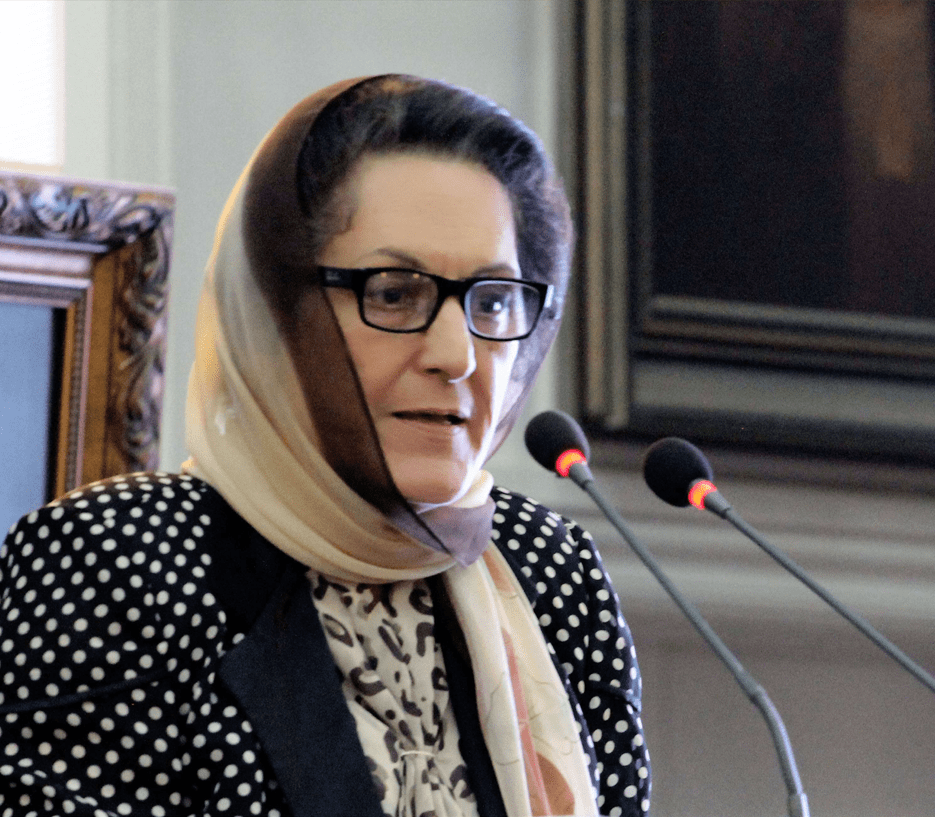
• Shafiqa Habibi is one of the most prominent cultural, media, and social women of Afghanistan. She has the honor of serving as a radio and television announcer, declaimer, teacher, civil activist, and member of the High Peace Council. She was born in Afghanistan in 1320 Hijri Shamsi

    Personal Life

    She grew up in a family of scholars and culture, and from childhood she showed great interest in books, poetry, music, and the art of oratory. She received her primary and higher education in Kabul and soon became known among the younger generation as an exceptional talent in the field of language and expression.

    Shafiqa Habibi’s family is originally from Logar Province, Afghanistan, but Shafiqa Habibi grew up in Kabul and received her bachelor’s degree in journalism from Kabul University. She is married to Mahmud Habibi. He has served in various positions, including Senate chairman, minister, and governor during the monarchy, the First Republic, the People’s Democratic Party, and the presidency of Dr. Najibullah.

    Media and professional activities

    The turning point in Shafiqa Habibi’s life was joining the National Radio and Television of Afghanistan in the 1960s. She quickly gained national fame due to her resonant, standard voice and eloquent expression, earning her titles such as “Umm al-Balagha (The Laureate of All Orators),” “Lady of the Golden Voice,” and the title of “The Chosen Dari Announcer.” Her performances in literary and cultural programs were not only artistic but also served as a platform for informal education in literature and culture among the community. In this field, she was able to create a link between classical literature, contemporary poetry, and the masses of the people.

    Social activities and women’s rights

    Beyond the media, Shafiqa Habibi was a prolific social activist. Focusing on women’s rights and social justice, she played a key role in combating violence, discrimination, and inequality against women.

    During the Mujahideen era, she assumed the presidency of the Association of Sisters of Journalists of National Television and Afghan Film. As a women’s rights activist, she expanded her field of activity from radio, television, and Afghan film to achieve legitimate women’s rights. When the Taliban took power in Afghanistan in 1996, and women and girls were deprived of work and education, she established the Afghanistan Feminine Association in 1999, which ran home-based handicraft schools. After establishing this institution, she was forced to leave the country and went to Peshawar, but she made several secret trips to Kabul through numerous land trips to advance the affairs of her institution, and in the process, she gave interviews to various domestic and international publications. In total, Ms. Habibi established eight handicraft schools, where women learned crafts such as embroidery, sewing, and beadwork. These schools were kept secret from the government.

    After the Taliban were overthrown in 2001, she worked as the head of broadcast at the Independent Commission of Human Rights in Afghanistan for a short time. She then changed the name of the Afghan Feminine Association to the New Afghan Women’s Association (NAWA) and upgraded literacy schools to literacy programs and accelerated education programs. The organization has also carried out great work in the field of combating sexual violence against women and children, such as documenting violence and carrying out awareness programs.

    Ms. Shafiqa Habibi is the founder of the first “Women Journalists Union” in the history of the country’s press, and established this union on March 8, 2005. Later, this union was officially renamed the Afghan Women Journalists Union. This union is also one of the founding members of the Federation of Afghan Journalists. This association also published the monthly magazine Women Journalists.

    Another of her most important activities was her participation in the establishment of the “Federation of Afghan Journalists” in 2005. This organization was able to bring together dozens of female journalists and media activists and play an important role in strengthening the position of women in the media. Later, she also became a board member of the Afghan Women’s Network (AWN), where, along with other board members, she participated in resolving the cases of violence against women, advocating for women’s rights, and making decisions regarding the activities of women’s rights organizations.

    Shafiqa Habibi repeatedly emphasized the importance of educating girls and trained hundreds of Afghan girls in eloquence and expression, encouraging them to continue their education and pursue their dreams.

    Role in the national and international arena

    Her role for peace: Ms. Habibi started working as a member of the Executive Board of the High Peace Council in 2016 and played a major role in holding the National Consensus of Afghan Women for Peace, in which a total of 15,000 women from all provinces of Afghanistan participated.

    Shafiqa Habibi’s activities were not limited to Afghanistan. She attended national and international meetings and gatherings, such as the Afghan Women Summit 2001, and, on behalf of Afghan women, made their voices heard around the world. She received awards from domestic and international institutions, including the United Nations, for her ongoing efforts for freedom of expression and human rights.

    Awards and Letters of appreciation

    Shafiqa Habibi is a well-known intellectual and human rights activist to the general masses. In 2002, she was awarded the Courage in Journalism Award of Ida B. Wells in New York. Additionally, the nonprofit organization Women’s eNews recognized her activities as a woman journalist and human rights activist, amongst the 21 Leaders for the 21st Century, along with other women journalists. In 2005, she was amongst the thousands of women nominees for the Nobel Peace Prize as well.

    Achievements and intellectual legacy

    Shafiqa Habibi has become a role model for future generations through her media, social, and cultural activities. Her work, whether in the form of television and radio performances or in her speeches and writings, carries messages of justice, freedom, and awareness. She is a clear example of a woman who, with her voice, broke the wall of imposed silence and strengthened the culture of resistance among the Afghan women’s community.

    Conclusion

    Shafiqa’s life reflects an Afghan woman’s struggle against changing political systems and difficult social conditions. She has played a lasting role not only in the media arena but also in the field of social justice and advocacy for women’s rights. Her legacy remains today as an inspiring role model for scholars, social activists, and the younger generation of Afghanistan.
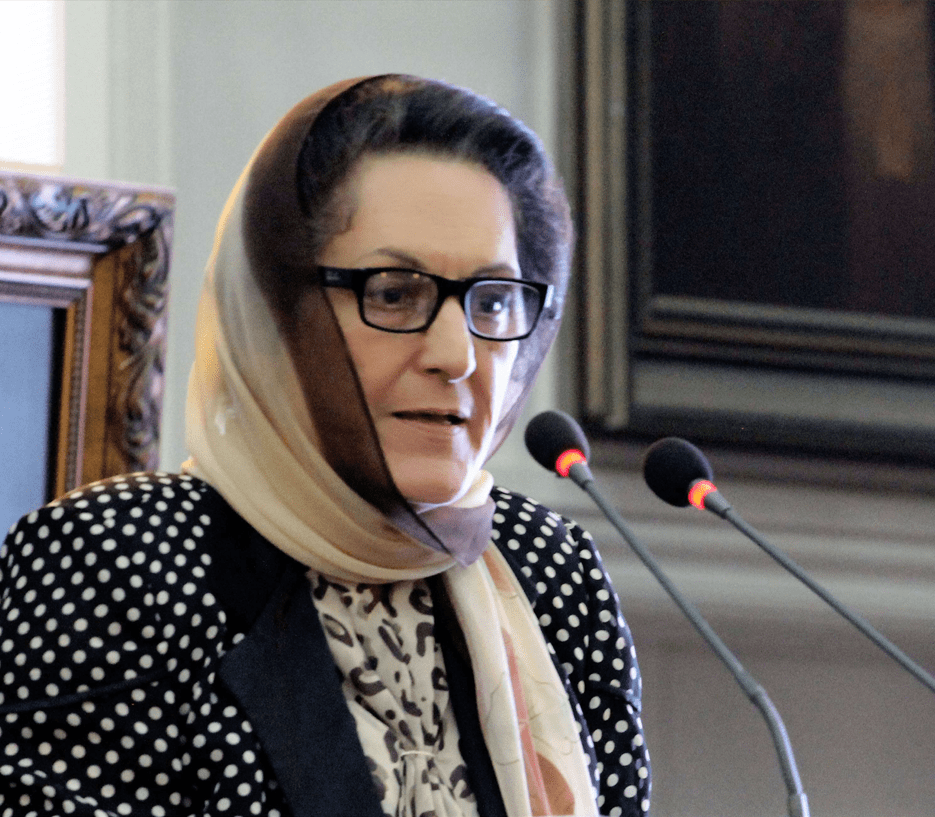
  • شفیقه حبیبی یکی از برجسته ترین زنان فرهنگی، رسانه‌ای و اجتماعی افغانستان است. وی افتخار خدمت منحیث نطاق رادیو تلویزیون، دیکلماترس، آموزگار نطاقی، فعال مدنی و عضویت شورای عالی صلح را دارد. او در سال ۱۳۲۰ هجری شمسی در افغانستان چشم به جهان گشود

    : زندگی شخصی

    او در خانواده‌ٔ اهل علم و فرهنگ رشد یافت و از همان کودکی علاقهٔ فراوان به کتاب، شعر، موسیقی و هنر سخنوری نشان داد. آموزش‌های ابتدایی و عالی را در کابل گذراند و به ‌‌زودی در میان نسل جوان به عنوان یک استعداد استثنایی در عرصۀ زبان و بیان شناخته شد.  خانوادهٔ شفیقه حبیبی در اصل از ولایت لوگر افغانستان میباشد، ولی شفیقه حبیبی در کابل بزرگ شد و تحصیلات وی به سویه لسانس از پوهنتون کابل از دانشکده ژورنالیزم میباشد. او با محمود حبیبی ازدواج کرد که در سمت های مختلفی از جمله ریاست سنا، وزارت و ولایت در دوره های شاهی، جمهوری اول، حزب دموکراتیک خلق و دوره‌ٔ ریاست جمهوری داکتر نجیب الله خدمت کرده است

    : فعالیت‌های رسانه‌ای و حرفه‌ای

    نقطۀ عطف زندگی شفيقه حبيبی، پیوستن به رادیو و تلویزیون ملی افغانستان در دهۀ چهل هجری خورشیدی بود. او به دلیل صدای نافذ، معیاری و بیان شیوای خود به سرعت شهرت ملی یافت و القابی همچون “ام البلاغه”، “بانوی حنجره طلایی” و عنوان “نطاق برگزیدهٔ دری” را به دست آورد. اجراهای او در برنامه‌های ادبی و فرهنگی، نه‌ تنها جنبه هنری داشت، بلکه به عنوان بستری برای آموزش غیررسمی ادبیات و فرهنگ در میان جامعه عمل می‌کرد. او در این عرصه توانست پیوندی میان ادبیات کلاسیک، شعر معاصر و توده‌های مردم ایجاد نماید

    : فعالیت‌های اجتماعی و حقوق زن

    فراتر از رسانه، شفيقه حبيبی یک فعال اجتماعی پرکار بود. او با تمرکز بر حقوق زنان و عدالت اجتماعی، در مبارزه با خشونت و تبعیض علیه زن و نابرابری نقش اساسی ایفا کرده است.  در دوران مجاهدین وی ریاست انجمن خواهران ژورنالیست تلویزیون ملی و افغان فلم را متقبل گردید. وی همچون فعال حقوق زن برای کسب حقوق مشروع زنان، ساحه فعالیت خود را از رادیو تلویزیون و افغان فلم وسعت داد. هنگامی که طالبان در سال ۱۹۹۶میلادی در افغانستان به قدرت رسیدند، و زنان و دختران از کار و تحصیل محروم شدند، در سال ۱۹۹۹ میلادی وی  به تاسیس موسسه زنانه افغانستان اقدام ورزید که مکاتب خانگی صنایع دستی را پیش می برد. پس از تاسیس این نهاد، وی مجبور به ترک مملکت گردید و به سوی پشاور رفت، ولی وی طی سفر های زمینی متعدد برای پیشبرد امور موسسه اش به کابل سفرهای متعدد مخفی داشت و در این جریان با نشریه های مختلف داخلی و بین المللی مصاحبه هایی را انجام میداد. در مجموع خانم حبیبی ۸ “مکتب صنایع دستی” را در کابل سازماندهی کرد که در آن زنان می‌توانستند صنایع دستی همچون خامک دوزی، خیاطی و مهره دوزی را بیاموزند. این مکاتب از دولت مخفی نگه داشته می‌شدند  

    پس از سرنگونی طالبان در سال ۲۰۰۱ میلادی، او برای مدتی کوتاه برای کمیسیون مستقل حقوق بشر افغانستان منحیث آمر نشرات کار کرد. متعاقباً او اسم موسسهٔ زنانهٔ افغانستان را به موسسهٔ زنان افغانستان نوین “نوا” تغییر داد و مکاتب سواد آموزی را به برنامه های سواد آموزی و برنامهٔ تعلیمات سریع ارتقا داد. این موسسه نیز کارهای بزرگی در قسمت مبارزه علیه تجاوزات جنسی علیه زنان و اطفال، همچون مستند سازی خشونت و برنامه های آگاهی دهی را اجرا نموده است.

    خانم شفیقه حبیبی موسس اولین “اتحادیهٔ زنان ژورنالیست” در تاریخ مطبوعات کشور میباشد و بتاریخ ۸ مارچ ۲۰۰۵ میلادی به این کار مبادرت ورزید. بعد ها این اتحادیه رسماً به انجمن زنان ژورنالیست افغان تغییر نام داد. این انجمن یکی از اعضای موسس فدراسیون ژورنالیستان افغانستان نیز میباشد. این انجمن به نشر ماهنامه زنان ژورنالیست نیز پرداخت. یکی دیگر از مهم‌ترین فعالیت‌های او، مشارکت در تأسیس “فدراسیون ژورنالیستان افغانستان” در سال ۱۳۸۴ هجری شمسی بود. این نهاد توانست ده‌ها زن خبرنگار و فعال رسانه‌ای را گردهم آورد و برای تقویت جایگاه زنان در رسانه نقش مهمی ایفا کند

    بعدها، او همچنین عضو هیئت مدیره شبکه زنان افغان شد، جایی که او به همراه دیگر اعضای هیئت مدیره، در حل و فصل پرونده‌های خشونت علیه زنان، دادخواهی برای حقوق زنان و تصمیم‌گیری در مورد فعالیت‌های سازمان‌های حقوق زنان مشارکت داشت

    شفيقه حبيبی در سخنرانی‌ها و برنامه‌های اجتماعی، بارها بر اهمیت آموزش دختران تأکید ورزید و صدها دختر افغان را در تدریس نطاقی و شیوه بیان آموزش داد و به ادامه تحصیل و پیگیری رؤیاهایشان تشویق نمود

    : نقش در عرصه ملی و بین‌المللی نقش وی برای صلح

    خانم حبیبی از سال ۱۳۹۵ هجری شمسی به بعد منحیث عضو هیأت اجراییهٔ شورای عالی صلح کار را شروع کرد و در برگزاری اجماع ملی زنان افغان برای صلح که در آن در مجموع ۱۵ هزار زن از تمام ولایات افغانستان اشتراک کرده بودند، نقش عمده را ایفا نمود. فعالیت‌های شفيقه حبيبي تنها به داخل افغانستان محدود نماند. او در نشست‌ها و جرگه‌های ملی و بین‌المللی همچون مجمع زنان افغان در بروکسل در سال ۲۰۰۱ میلادی حضور یافت و به نمایندگی از زنان افغان، صدای دادخواهی آنان را به گوش جهانیان رسانید. وی به دلیل تلاش‌های مداوم برای آزادی بیان و حقوق بشر، جوایزی از نهادهای داخلی و بین‌المللی، از جمله سازمان ملل متحد، دریافت نمود

    : جوایز و تقدیرنامه‌ها

    حبیبی به عنوان یک فعال حقوق بشر و یک روشنفکر عمومی شناخته می‌شود. در سال ۲۰۰۲ میلادی، او جایزهٔ شجاعت در ژورنالیزم “آیدا بی. ولز” در نیویارک را از آن خود کرد. همچنین سازمان غیرانتفاعی “وومین ایی نیوز”، حبیبی را به دلیل فعالیت‌هایش به عنوان روزنامه‌ نگار در زمینهٔ حقوق زنان و همچنان سازماندهی سایر روزنامه‌نگاران زن، به عنوان یکی از “۲۱ رهبر در قرن بیست و یک” در سال ۲۰۰۲ میلادی معرفی کرد. در سال ۲۰۰۵ میلادی او در میان هزار زن، نامزد جایزهٔ صلح نوبل قرار گرفت

    : دستاوردها و میراث فکری

    شفيقه حبيبی با فعالیت‌های رسانه‌ای، اجتماعی و فرهنگی خود، به الگویی برای نسل‌های آینده مبدل شده است. آثار او چه در قالب اجراهای تلویزیونی و رادیویی و چه در سخنرانی‌ها و نوشته‌هایش حامل پیام‌های عدالت‌خواهی، آزادی و آگاهی میباشد. او نمونه‌ٔ بارز از زنی است که با صدای خود، دیوار سکوتِ تحمیل‌شده را شکست و فرهنگ مقاومت را در میان جامعه زنان افغانستان تقویت نمود

    : نتیجه‌گیری

    زندگی شفيقه حبيبی بازتابی از مبارزه یک زن افغان در برابر نظام‌های سیاسی متغیر و شرایط دشوار اجتماعی است. او نه‌تنها در عرصه رسانه، بلکه در میدان عدالت اجتماعی و دادخواهی برای حقوق زن، نقش ماندگار ایفا کرده است. میراث او امروز به عنوان الگویی الهام‌بخش برای پژوهشگران، فعالان اجتماعی و نسل جوان افغانستان باقی است

  • Book Description: Mrs. Shafiqa Habibi is a pioneering leader, advocate, and prominent figure in the history of journalism and the women’s rights movement in Afghanistan. She was one of the few courageous women who boldly defended Afghan women’s rights during the Taliban’s oppressive rule. As journalist Paul Watson notes in his comprehensive report, “If Mrs. Habibi is right, the Taliban will soon realize that they cannot enforce their views without the participation of Afghan women.”

    In this compelling book, Dr. Mahmoud Habibi chronicles the remarkable life of Mrs. Habibi, beginning with her election as a distinguished announcer and reciter at Kabul Radio. Through vivid photographs and insightful text, readers will discover her lifelong dedication to advocacy, her participation in international conferences, and her tireless efforts to amplify the voices of Afghan women around the world.

    Filled with inspiring stories and unforgettable moments, this book is a tribute to a woman whose courage and leadership continue to shape Afghanistan’s history.

  • شرح کتاب:- خانم شفیقه حبیبی، زنی رهبر، مبارز و شناخته شده در تاریخ ژورنالیزم و جنبش حقوق زنان افغانستان هست، که منحیث یکی از شخصیت های روشنفکر در دوران طالبان، یگانه زنی بود که برای حقوق پایمال شدۀ زنان ایستاد، چنانچه پاول واتسون کانادایی راپورتاژ مفصل خود را بعبارات آتی خاتمه می دهد: اگر خانم حبیبی حق به جانب باشد پس طالبان زمانی احتمالاً خواهند دانست که بدون مشارکت زنان افغانستان، موارد نظر خود را نمیتوانند جنبۀ عملی بدهند

    در این کتاب به قلم داکتر محمود حبیبی، مسیر زندگی خانم حبیبی از دورانیکه منحیث نطاق ممتاز رادیو کابل انتخاب شدند، به صورت تصویری و متن شرح داده شده است. در طول خدمت ایشان در دوره های مختلف، ایشان به ایثارگری هایشان برای زنان افغان ادامه دادند و با اشتراک در کنفرانس های مختلف بین المللی صدای زنان افغان را به گوش جهانیان رسانیدند، ادامه موارد فوق روایات شیرین دیگر را در این کتاب بخوانید